The blockchain infrastructure space is rapidly evolving, with privacy, decentralization, and cross-chain usability becoming key priorities for both developers and users. Qubetics has been positioning itself at the intersection of these trends, particularly through its decentralized VPN (dVPN) infrastructure designed to give users greater control over privacy and connectivity. As the platform continues to expand, the company has announced a leadership transition aimed at strengthening its strategic direction and accelerating ecosystem growth.
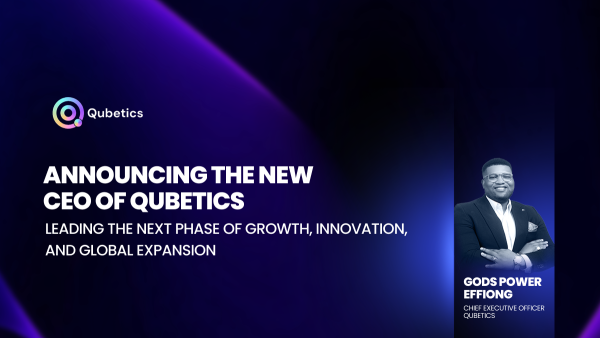
To guide this next phase, Godspower Effiong has been appointed Chief Executive Officer of Qubetics. Previously serving as Executive Advisor, Effiong worked closely with the core team on ecosystem planning, governance development, and long-term platform architecture. His promotion reflects a strategic internal transition that preserves continuity while enabling the company to accelerate innovation, particularly around the practical deployment and adoption of Qubetics’ decentralized VPN technology.
Qubetics and the Role of Decentralized VPN Infrastructure
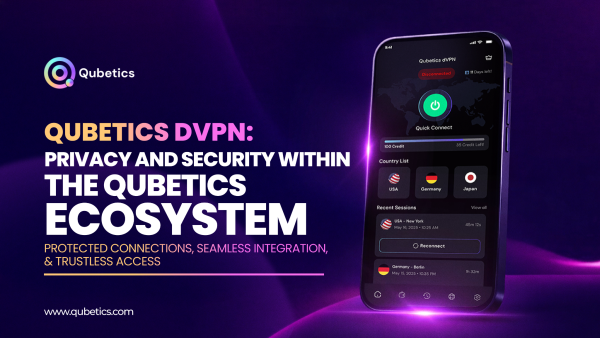
A central component of the Qubetics ecosystem is its decentralized VPN (dVPN), a privacy-focused network designed to offer users secure and censorship-resistant internet access without relying on centralized service providers. Traditional VPN services often depend on centralized servers that can create single points of failure, while decentralized alternatives distribute network resources across independent participants.
Within the Qubetics network, the dVPN model allows node operators to contribute bandwidth and infrastructure while users access private, encrypted connections through the network. This architecture supports greater resilience and transparency while aligning with the broader Web3 movement toward user-owned digital infrastructure.
Under Effiong’s leadership, the platform is expected to further refine the usability and adoption of the dVPN layer, ensuring it becomes an accessible tool not only for crypto users but also for individuals and organizations seeking more secure internet connectivity. This direction aligns with the project’s broader goal of delivering practical blockchain utilities rather than purely speculative applications.
How Leadership Is Expanding Real-World Utility for dVPN
With Godspower Effiong now leading Qubetics as CEO, the focus is shifting toward making the platform’s decentralized VPN more accessible and practical for everyday use. Effiong’s strategy emphasizes usability improvements, ecosystem partnerships, and expanding the network’s validator and node participation to support stronger global coverage.
By integrating the dVPN more closely with the platform’s broader infrastructure—including interoperability tools and blockchain-based incentives—the leadership aims to turn the service into a scalable privacy solution. This approach positions the Qubetics dVPN not only as a blockchain experiment but as a practical digital infrastructure layer capable of supporting secure connectivity for users, developers, and organizations worldwide.
Background of Godspower Effiong
Effiong brings more than seven years of experience across Web3 growth, fintech expansion, and stablecoin ecosystem development. Throughout his career, he has collaborated with major digital asset and blockchain organizations including Ledger, Bitget, NewsCrypto, and BoundlessPay, contributing to market development and user adoption initiatives across multiple regions.
He is also the founder of AGTM Partner, a market-entry agency focused on helping Web3 and digital brands expand into new markets. Much of his work has centered on building sustainable digital economies and expanding stablecoin usage across Africa, where blockchain-enabled financial infrastructure has seen rapid growth.
This background provides Effiong with a practical perspective on how decentralized networks can move from technical innovation to real-world application.
His Journey Within Qubetics
Before becoming CEO, Effiong served as Executive Advisor to Qubetics, working directly with the leadership team to shape the platform’s long-term strategic direction. During this period, he played a key role in refining the ecosystem roadmap, strengthening governance structures, and helping align technical development with broader market needs.
His deep familiarity with the platform’s architecture and long-term goals made him a natural candidate for the leadership role. By promoting from within the ecosystem, Qubetics maintains continuity while benefiting from leadership that already understands the project’s technology, community, and strategic priorities
Strategic Vision for the Next Phase
As CEO, Effiong’s focus is expected to center on strengthening the network’s infrastructure while expanding real-world utility for its decentralized services, including the dVPN layer.
“Decentralized infrastructure is most powerful when it becomes practical for everyday users,” Effiong noted in a recent statement. “Our goal at Qubetics is to build a network where privacy, connectivity, and blockchain interoperability work seamlessly together. The dVPN layer is a major step toward that vision.”
His leadership will also emphasize building a sustainable economic framework for the ecosystem, expanding partnerships and integrations, and improving accessibility for developers and users interacting with the platform.
Growing Ecosystem and Network Metrics
The Qubetics network has already demonstrated steady growth in participation and decentralization. The ecosystem currently operates 45 validator nodes across 11 countries, reflecting an increasingly distributed infrastructure that supports network security and global reach.
In addition, approximately 230 million tokens are currently locked out of a total supply of 1.36 billion, indicating active engagement from validators and delegators within the network’s staking model. These metrics suggest growing confidence in the platform’s long-term stability and governance framework.
Accessibility has also expanded through listings on several digital asset exchanges, including MEXC, LBank, and Coinstore, helping increase liquidity and making the token more accessible to global participants
Interoperability and the Swift Bridge Protocol
Another component supporting Qubetics’ broader ecosystem is the Swift Bridge Protocol, which forms part of the platform’s interoperability layer. The protocol enables efficient cross-chain asset transfers, allowing users to move digital assets between networks more easily.
This focus on interoperability aligns with Qubetics’ wider technological roadmap, which includes innovations such as BTC abstraction — positioning the platform as the first Layer-1 network to integrate Bitcoin interaction at the protocol level in a simplified and accessible way.
Together, these capabilities are designed to ensure the platform remains connected with the wider blockchain ecosystem while supporting seamless asset and data movement across chains.
What This Leadership Transition Means for Qubetics
Effiong’s appointment represents more than a leadership change; it reflects a strategic move toward strengthening the platform’s operational focus and expanding real-world adoption of its decentralized infrastructure.
With a combination of technical development, network expansion, and ecosystem partnerships, the company aims to position its blockchain as a scalable foundation for privacy-focused services like decentralized VPNs while also supporting cross-chain functionality and broader Web3 connectivity.
Looking Ahead
As decentralized infrastructure becomes increasingly relevant in the digital economy, projects capable of combining privacy, interoperability, and usability are likely to attract growing attention. Under the leadership of Godspower Effiong, Qubetics appears focused on advancing this vision by strengthening its network foundation and expanding practical applications for its technology.
By prioritizing tools such as decentralized VPN services and scalable blockchain architecture, the platform aims to contribute to a more open and user-controlled internet infrastructure in the years ahead.
Leave a Reply
You must be logged in to post a comment.